Why Camden Council fines happen for illegal rubbish dumps
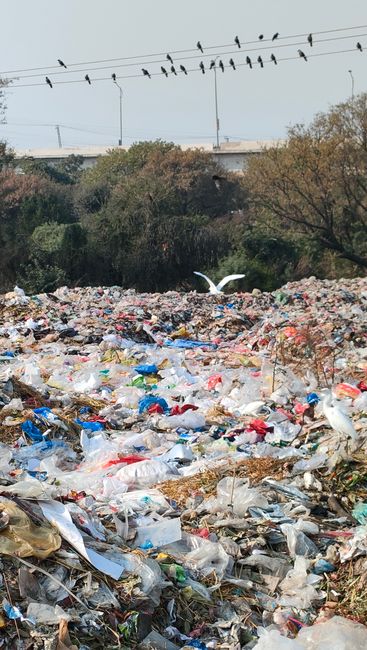
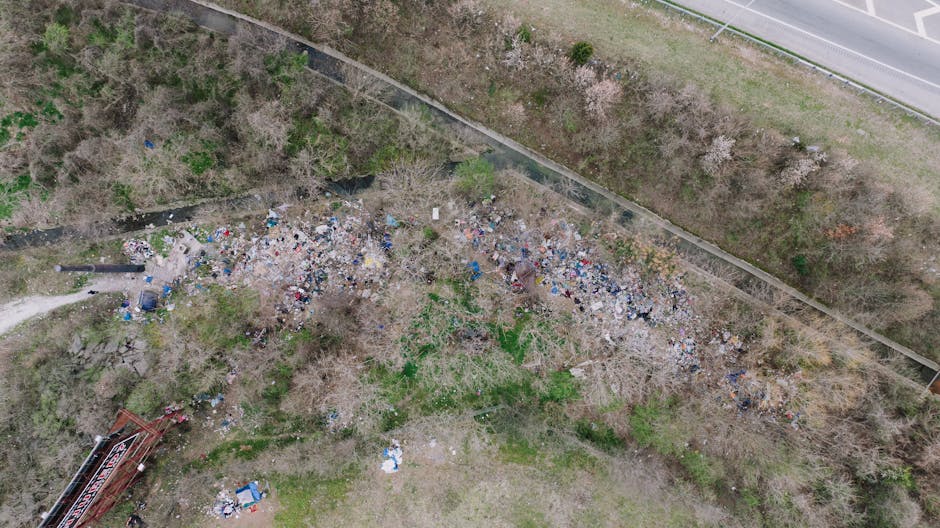
If you've ever seen a mattress by a bin store, a pile of black bags on a pavement, or old builders' rubble dumped beside a wall, you already know the feeling: someone has made a mess, and now everybody nearby has to deal with it. That is exactly where the question of why Camden Council fines happen for illegal rubbish dumps becomes real. It's not just about litter. It's about public health, blocked access, missed collections, fly-tipping enforcement, and the knock-on cost to residents and businesses.
In Camden, as in the rest of London, illegal dumping can lead to investigation, enforcement action, and in some cases fixed penalties or prosecution. The details depend on what was dumped, where it was left, who was responsible, and whether there is evidence to trace the waste back to a person or business. This guide breaks the issue down in plain English, with practical steps to help you stay compliant and avoid the kind of expensive mistake that can start with "I'll just leave it here for now."
Truth be told, most people do not mean to end up in trouble. They hire the wrong carrier, leave waste out too early, or assume a bag beside a street bin will be collected. That is where the fine risk begins.
Table of Contents
- Why Camden Council fines for illegal rubbish dumps matter
- How Camden Council enforcement works
- Key benefits and practical advantages of getting it right
- Who this is for and when it makes sense
- Step-by-step guidance to avoid fines
- Expert tips for better results
- Common mistakes to avoid
- Tools, resources and recommendations
- Law, compliance, standards and best practice
- Options, methods and comparison table
- Case study or real-world example
- Practical checklist
- Conclusion
- Frequently asked questions
Why Camden Council fines for illegal rubbish dumps matter
Illegal dumping matters because it is one of those problems that looks small at street level and becomes bigger by the hour. A single dumped sofa can attract more waste, create hazards for pedestrians, and block access for bins, wheelchairs, prams, or emergency routes. A few sacks of mixed rubbish can turn into a mess that smells in warm weather and draws complaints by the next morning. Camden Council fines are used to discourage that behaviour and, more importantly, to make sure the cost of disposal sits with the person who created the waste.
There is also a fairness issue. Local taxpayers should not be footing the bill for people cutting corners. If rubbish is dumped on a pavement, beside a residential block, or at the edge of an alley, the cleanup often costs time and money that could have gone toward better services. That is one reason councils take it seriously. And yes, the enforcement side can feel strict, but the logic is simple enough.
For homeowners, tenants, landlords, letting agents, builders, and small businesses, the real risk is not only a fine. It is the stress of being contacted by enforcement officers, being asked to prove lawful disposal, or having to clear waste quickly at your own expense. Nobody enjoys that call at 7:30 on a rainy Monday. Nobody.
Key point: Camden Council fines happen when waste is dumped or left in a way that breaches local waste rules, creates a nuisance, or cannot be clearly linked to lawful disposal.
That is why prevention matters more than damage control. One sensible decision about waste handling can save hours of stress later on.
How Camden Council enforcement works
Most people picture a fine arriving out of nowhere. In practice, enforcement usually follows a chain of events. Someone spots dumped waste, reports it, or the council identifies it during routine checks. Officers may look for labels, postal addresses, invoices, receipts, names on packaging, or anything else that helps trace the rubbish. Even a torn delivery label on a cardboard box can be enough to start a line of enquiry.
When waste is left on public land, outside bins, in communal spaces, or beside a street in an unauthorised way, the council may treat it as fly-tipping or unlawful waste presentation depending on the circumstances. If the material is bulky, hazardous, business-related, or repeatedly dumped at the same spot, the response may become firmer. In plain terms, the worse the dump, the more likely the council is to look closely.
There are a few common enforcement routes:
- informal warning or request to remove the waste
- fixed penalty notice in cases where evidence supports it
- investigation where the source of the waste is being traced
- prosecution in more serious or repeated cases
Not every incident leads to the same outcome, and that matters. A bag left out at the wrong time is not always treated the same as a van-load of rubble dumped overnight. Context counts. The council will usually consider whether the waste appears deliberate, whether it obstructs the area, and whether the person involved can show proper disposal arrangements.
In many real-life cases, the question is not "Was there rubbish?" but "Can you prove how it was disposed of?" That's the bit people forget.
Key benefits and practical advantages
Understanding why these fines happen is useful because it helps you avoid the downstream costs that come with poor waste handling. There is no glamour in it, but there is real value in getting the process right.
- Lower legal risk: proper disposal reduces the chance of penalties or investigations.
- Cleaner access: cleared walkways, entrances, and shared areas are safer and easier to manage.
- Better proof: receipts and records help if someone later questions where the waste went.
- Less disruption: prompt removal avoids complaints from neighbours, tenants, or building managers.
- Improved reputation: businesses and landlords look more reliable when waste is handled properly.
There is also a practical upside for anyone managing a property or a business in Camden: lawful waste handling usually works out cheaper than crisis clean-ups, call-outs, and enforcement headaches. A tidy site is simply easier to run. It sounds obvious, but in the rush of a move-out, refurb, or end-of-lease clear-out, obvious things get missed.
If you are dealing with bulk items, mixed rubbish, or awkward materials, using a proper removal route is often the safer choice. For example, a flat clearance, office clearance, or builders' waste clearance is much less risky when the waste is collected by a service that can explain what happens next and provide a record. That matters if anyone asks questions later.
Who this is for and when it makes sense
This topic is relevant to more people than you might think. Illegal rubbish dump fines do not just affect fly-tippers in the dramatic, overnight sense. They affect ordinary people who misjudge the rules, leave waste too casually, or trust the wrong person to remove it.
You should pay close attention if you are:
- a tenant clearing a flat before moving out
- a landlord or letting agent managing end-of-tenancy waste
- a builder or decorator dealing with rubble, timber, and packaging
- a business owner disposing of office furniture or confidential waste
- a homeowner clearing a loft, garage, garden, or full property
- anyone arranging collection through a third party
It makes sense to think about this before the waste is already sitting on the kerb. That is the moment when mistakes happen. Let's face it, once rubbish is outside and you are in a hurry, people start improvising. And improvising with waste is how fines happen.
For a London household, the most common risk points are bulky items, black bags left in the wrong place, and confusion over whether something counts as household waste, trade waste, or hazardous material. For businesses, the big risk is not having a clear paper trail. If a council officer asks where the waste went and you cannot show lawful disposal, things can get awkward quickly.
Step-by-step guidance to avoid fines
If you want to stay on the safe side, the process is straightforward. Not effortless, maybe, but straightforward.
- Identify the waste properly. Split it into general rubbish, bulky items, recycling, electricals, and anything hazardous. A cracked chair is one thing. A leaking tin of paint is another.
- Check whether it can go in normal collection. Some items are suitable for standard waste streams, while others need specialist handling. A bit of packaging is not the same as builders' rubble.
- Choose a lawful disposal route. That could mean council collection, reuse, donation, recycling, or a licensed waste carrier.
- Keep proof. Save invoices, booking confirmations, receipts, and any reference numbers. If you hire a carrier, keep their details somewhere easy to find.
- Do not leave waste on the pavement "for now". Even a short delay can create exposure if the waste is in the wrong place or the wrong condition.
- Check shared spaces carefully. Communal hallways, bin stores, and rear access areas often become problem spots in flats and blocks.
- Act quickly if something is dumped outside your property. Report it and document the condition with a photo if needed. If it's yours, remove it promptly through a proper route.
A useful rule of thumb: if you would struggle to explain the waste to an enforcement officer in one minute, you probably need a better disposal plan.
For heavier jobs, booking a clear-out service can be simpler than making repeated trips yourself. A planned removal is less dramatic than a last-minute scramble with a borrowed car and nowhere to put three broken wardrobes. We have all seen that scene play out near a mews or block entrance, usually when it is already dark and everyone is tired.
Expert tips for better results
Small details make a big difference here. The people who avoid fines tend to do a few basic things consistently, and none of them are especially flashy.
Keep a disposal trail. Save screenshots, email confirmations, and receipts in one folder. If there is a dispute later, you want the evidence close at hand. Not buried in some old inbox thread from six months ago.
Separate waste before collection. Mixed piles are harder to handle and easier to question. Wood, metal, cardboard, furniture, and general rubbish should not all be treated as the same thing if you can help it.
Use services that explain what they take. That is especially important for items like fridges, sofas, mattresses, and appliances. Different items can have different handling needs, and the wrong assumption causes problems.
Be careful with shared access. In Camden, many homes and blocks have narrow entrances, busy pavements, or limited bin space. A small pile can quickly become an obstruction. If your collection needs timing, plan it so the waste is out for the shortest sensible period.
Ask about recycling and diversion. Reuse and recycling do not just sound good. They reduce the chance that you're left guessing what to do with awkward items. For some loads, that clarity is half the battle.
One more thing: if you are arranging a larger clearance, be wary of anyone who gives a suspiciously cheap quote and no paperwork. That is not a bargain. That is a future headache wearing a low price tag.
Common mistakes to avoid
Most fines happen because of avoidable errors. The pattern is usually less dramatic than people imagine.
- Leaving rubbish beside bins: if it is not collected, it can still count as dumped waste.
- Assuming a private arrangement is enough: a verbal promise from a mate with a van is not the same as lawful disposal.
- Ignoring bulky items: sofas, mattresses, and cupboards are obvious troublemakers if abandoned.
- Mixing business waste with household waste: commercial rubbish often needs a more formal chain of custody.
- Not checking what a carrier will actually do with the waste: if they cannot explain their process, that is a red flag.
- Forgetting communal areas: one person's shortcut becomes everyone's problem in shared buildings.
- Skipping paperwork: no receipt, no booking record, no defence if challenged.
There is also a subtler mistake: thinking enforcement only targets obvious offenders. In reality, councils often use location, timing, and available evidence to piece things together. So if a bag is found near your property, or waste from your renovation appears dumped nearby, you may be asked to show how it was handled. That can feel unfair, but it is exactly why records matter.
Tools, resources and recommendations
You do not need complicated systems to manage this well. A few practical tools are enough for most households and small businesses.
- Phone camera: take clear before-and-after photos of bulky waste and clearance areas.
- Simple digital folder: store quotes, receipts, and service confirmations in one place.
- Waste separation bags or boxes: useful for cardboard, recyclables, and mixed items before collection.
- Labelled notes: especially helpful in offices or shared buildings where different teams handle different waste streams.
- Clear booking details: know the collection time, what is included, and what is excluded.
If you need a removal route for bigger or more awkward items, a dedicated service such as waste removal can be a practical option. For furniture-heavy clearances, the pages for furniture disposal and mattress and sofa disposal are also relevant because these items are frequently involved in dump-related complaints.
For property clean-outs, it can help to think in categories: household items, bulky items, garden waste, building waste, and sensitive or specialist waste. A bit of structure goes a long way. When people skip that step, the pile grows, the plan gets fuzzy, and the fine risk climbs with it. Classic chaos, really.
Law, compliance, standards and best practice
This is an area where caution matters. Local enforcement can involve waste offences, nuisance issues, and responsibilities linked to how waste is stored, transferred, and disposed of. The precise legal route depends on the facts, and it is wise not to assume one rule covers every case. What you can safely rely on is the general principle: if waste is placed where it should not be, or handed to someone who cannot lawfully handle it, enforcement risk rises.
Best practice in the UK usually comes down to a few dependable habits:
- use reputable and traceable waste services
- keep records of collections and payments
- do not leave waste in public spaces without authorisation
- store waste securely until it is removed
- make sure hazardous materials are handled separately
If you run a business, your duty of care is especially important in practical terms. That means you should be able to show that waste was passed to the right person and handled appropriately. You do not need legal jargon to understand the idea: if you generated the waste, you should be able to explain what happened to it.
For businesses and landlords, the safest approach is to treat waste like any other compliance task. Someone should own it. Someone should check it. Someone should keep the records. If nobody owns it, that is when the little mistakes grow legs.
Options, methods and comparison table
Not every disposal option carries the same level of convenience, control, or risk. Here is a simple comparison to help you decide what suits your situation.
| Method | Best for | Pros | Watch out for |
|---|---|---|---|
| Regular council collection | Routine household waste | Simple for everyday use, familiar process | Not suitable for all bulky or special items |
| Reuse or donation | Reusable furniture and items in good condition | Reduces waste and can help others | Items need to be clean, safe, and accepted |
| Self-transport to a disposal site | People with time, space, and a suitable vehicle | Direct control, useful for smaller loads | Can be time-consuming and physically awkward |
| Licensed waste collection | Bulky, mixed, or urgent waste | Convenient, traceable, and often safer for compliance | Quality varies, so paperwork and reputation matter |
In practice, many Camden residents and businesses end up choosing a licensed collection for bulky or mixed waste because it removes uncertainty. That uncertainty is where fines often creep in. If you know the items will be collected, recorded, and taken away properly, you are already ahead of the game.
For larger clear-outs, services such as house clearance, office clearance, and builders' waste clearance can be relevant because they match the waste type to the job rather than forcing everything into one generic route.
Case study or real-world example
Picture a landlord in Camden clearing out a one-bedroom flat after a tenant move-out. There is an old sofa, a mattress, broken shelving, and several bags of mixed rubbish. In a hurry, the landlord leaves the items in the communal entrance area "until morning" and expects them to disappear. By the next day, the bags have been torn open, the building manager has complained, and someone has reported the mess. The landlord now has a cleanup problem and a potential enforcement problem.
Now compare that with a more careful approach. The landlord photographs the items, separates what can be reused, books a lawful clearance, keeps the confirmation, and arranges the removal for the same day. The waste is gone quickly, the building stays clear, and there is proof of what happened. Same flat, same rubbish, very different outcome.
That is the real lesson here: the fine risk is often created not by the waste itself, but by the way the waste is handled.
Another common scenario is a small builder finishing a bathroom refit. Offcuts, packaging, and tile debris get piled outside the property because the van is full and the team wants to keep moving. It looks harmless for an hour or two. Then the weather turns, the pile spreads, and neighbours start asking questions. That is usually the point where things stop being "temporary" and start looking like dumping.
Practical checklist
Use this checklist before you leave any waste out or hand it over to a third party.
- Have I identified exactly what the waste is?
- Is it household, business, bulky, recyclable, or hazardous?
- Do I know who is collecting it or where it is going?
- Do I have a receipt, booking confirmation, or proof of disposal?
- Will the waste be left in a public or shared area at any stage?
- Is the collection time as short as possible?
- Have I separated reusable or recyclable items?
- Do I know what cannot go with this load?
- Have I checked access, parking, and building rules?
- If something goes wrong, can I show what I arranged and when?
If you can answer yes to most of those, you are in a much stronger position. If not, pause and sort it out before the waste is out on the street. That small pause can save a lot of bother.
Conclusion
So, why Camden Council fines happen for illegal rubbish dumps comes down to a mix of responsibility, evidence, and timing. Waste dumped in the wrong place, handled without proper proof, or left in a way that causes nuisance can trigger enforcement. The good news is that avoiding trouble is usually very doable. Identify the waste, use a lawful route, keep records, and never assume that "just leaving it out" will be fine.
For households, landlords, builders, and businesses, the safest habit is simple: plan the disposal before the mess starts. That way, you stay compliant, your property stays tidy, and you avoid the sort of stressful letter nobody wants to find on the mat.
Get a free quote today and see how much you can save.
And if you are dealing with bulky items or a bigger clear-out, a bit of help at the right moment can make the whole job feel lighter. Honestly, that is often the difference between a messy week and a clean finish.
Frequently Asked Questions
What counts as illegal rubbish dumping in Camden?
Illegal dumping usually means leaving waste in a place or way that is not authorised, such as on pavements, beside bins, in communal areas, or on land without permission. The exact enforcement response depends on the circumstances and the type of waste.
Can Camden Council fine me if I did not dump the rubbish myself?
In some situations, a council may still ask you to explain where the waste came from or how it was handled, especially if it is linked to your property or business. That is why receipts, booking records, and traceable disposal are so useful.
What is the difference between fly-tipping and leaving bins out wrong?
Fly-tipping usually refers to dumping waste illegally, often in a deliberate or careless way. Leaving bins or rubbish out incorrectly may fall under different enforcement categories, but it can still lead to action if it causes obstruction or nuisance.
Do I need proof that my rubbish was collected legally?
Yes, keeping proof is strongly recommended. A receipt, confirmation email, or collection record can help if there is ever a dispute about where the waste went or who was responsible.
Are bulky items like sofas and mattresses a common reason for fines?
Yes, they are common problem items because they are awkward to move and easy to leave in the wrong place. Bulky waste left outside without a proper arrangement can quickly become an enforcement issue.
Can businesses get fined more easily than households?
Businesses may face closer scrutiny because commercial waste should usually have a clear disposal trail. That does not mean households are ignored, only that businesses are expected to manage waste more formally.
How can I avoid problems when using a waste removal service?
Choose a service that can explain what it collects, how it disposes of the waste, and what paperwork you will receive. If the quote is vague and the process is even vaguer, that is a warning sign.
What should I do if I find dumped rubbish outside my property?
Document it, report it through the proper local route, and remove it promptly if it is your responsibility. Do not assume it will disappear on its own. It rarely does, annoyingly enough.
Does separating waste help reduce the risk of fines?
Yes. Separation makes it easier to dispose of items properly and reduces confusion over what can be collected, reused, recycled, or needs special handling. It is a simple habit that pays off.
Is it safer to book a clearance service for mixed rubbish?
For mixed, bulky, or time-sensitive loads, yes, often it is. A proper clearance can be less stressful than trying to manage everything yourself, and it usually gives you better proof of lawful disposal.
What if I am not sure whether an item is hazardous?
Do not guess. Some materials need special handling, and guessing is where people get into trouble. If there is any doubt, treat the item separately until you can confirm the right disposal route.
Why do fines happen so quickly in some cases?
Because visible waste in a public or shared place can cause immediate complaints, and councils may act fast where there is obstruction, repeat dumping, or clear evidence. Speed often comes from the nature of the risk, not just the amount of rubbish.