Euston Road estate rubbish collections for flats and HMOs
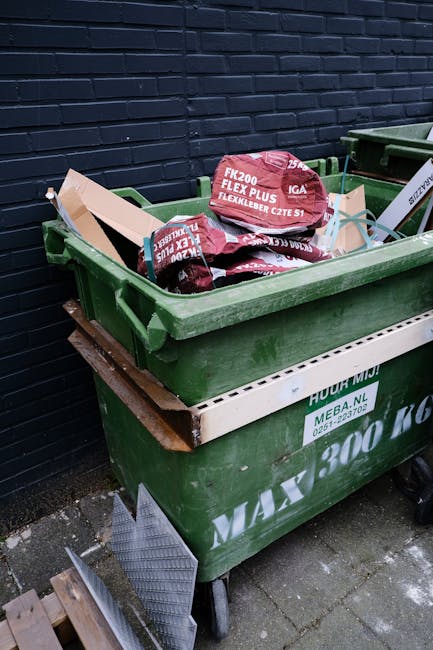
If you manage a block on or near Euston Road, you already know rubbish can become a daily headache rather than an occasional nuisance. Shared bins overflow. Hallways get cluttered. Fly-tipping appears overnight and suddenly the whole entrance feels untidy, noisy, and a bit grim. Euston Road estate rubbish collections for flats and HMOs are about more than removing bags and bulky items; they are about keeping communal living spaces safe, presentable, and workable for the people who live there.
That matters whether you are a landlord, property manager, estate agent, HMO operator, resident committee member, or simply the person everyone ends up emailing when the bins are full again. In this guide, we will break down how collections work, what to expect, where the common problems are, and how to make the process smoother without creating chaos. A little planning goes a long way. Honestly, it usually saves more time than people think.
Why Euston Road estate rubbish collections for flats and HMOs Matters
Dense London buildings create a very specific waste problem. A single-family house can usually absorb a delayed bin day. A mixed-use estate or HMO cannot. Once waste starts piling up in a shared space, it affects everyone at once: smells travel, pests arrive faster than anyone wants, and entrances stop feeling like homes. On busy routes like Euston Road, there is also the practical reality of narrow access, constant traffic, and limited time for loading. It is not dramatic to say that waste handling shapes the whole resident experience.
For flats and HMOs, rubbish collections also influence compliance and reputation. Landlords want fewer complaints, property managers want fewer emergency call-outs, and residents want a place that does not feel permanently messy. There is a quiet but real link between good waste management and how well a building runs. If the bins are sorted, everything else tends to feel a bit less fraught.
There is also a safety angle. Bags left in stairwells, broken furniture left beside bin stores, or appliances abandoned near fire exits are never just untidy. They can block access, create trip hazards, and make routine cleaning harder for everyone. In a city property, small waste problems become shared problems very quickly.
Expert summary: The best rubbish collection plan for an estate or HMO is the one that fits the building's access, occupancy pattern, storage space, and collection frequency. If those four things are ignored, the service will always feel messy, no matter how often it runs.
How Euston Road estate rubbish collections for flats and HMOs Works
At a practical level, estate rubbish collections for flats and HMOs usually begin with a quick assessment of what needs removing and how easy it is to access. That might include black sacks, mixed household waste, recycling streams, old furniture, mattresses, white goods, or builder's spoil from a flat refurbishment. The provider then decides the right vehicle, crew size, loading method, and timing.
In busy parts of London, timing is often everything. Early morning, off-peak, or tightly scheduled collections can make a huge difference where foot traffic and parking are limited. If a building has a bin store at the rear, access from a service road may be ideal. If not, teams may need to work from street level and move waste carefully through communal areas. This is where a good site visit or clear description saves a lot of friction.
Many clients also need different waste streams handled separately. A mattress is not the same as a bag of general waste. A fridge needs different treatment from a sofa. And if anything is damaged, contaminated, or potentially hazardous, it needs to be flagged before collection day. That sounds obvious, but in real life people forget, particularly during void clearances or end-of-tenancy turnovers.
If you are also planning a larger cleanout, related services such as flat clearance, home clearance, or house clearance can be helpful when the waste is mixed with furniture and unwanted household items. For office or mixed-use buildings, business waste removal may fit better if the site produces regular commercial waste alongside resident rubbish.
Key Benefits and Practical Advantages
The biggest benefit is simple: the building feels under control. That matters more than people admit. When waste is managed properly, the entrances stay clearer, the air smells better, and residents stop grumbling about the same issue every week. You can almost hear the relief in the email tone when it finally gets sorted.
Here are the main advantages:
- Cleaner communal areas: no more bags stacked beside the bin store or boxes left in hallways.
- Reduced complaints: fewer resident issues about smell, pests, mess, or blocked access.
- Better presentation: useful for landlords, managing agents, and HMOs where first impressions matter.
- More flexible handling: ideal when waste is bulky, mixed, or too much for routine collections.
- Less operational disruption: a planned collection is usually faster and less stressful than a last-minute tidy-up.
- Support for recycling: separating recyclable materials where possible helps reduce landfill-bound waste.
There is a commercial advantage too. A tidy estate is easier to let, easier to inspect, and easier to maintain. The less time staff spend chasing waste issues, the more time they have for the actual job. And yes, that really is a big deal in busy buildings.
For heavier or recurring bulk items, you may also want to look at furniture clearance, mattress and sofa disposal, or fridge and appliance removal. Those services are especially useful when residents leave items behind after moving out or when a room is being turned around quickly.
Who This Is For and When It Makes Sense
This type of collection makes sense for anyone responsible for shared residential property where waste volume is unpredictable or access is awkward. That includes:
- landlords with one or more HMOs
- block managers and managing agents
- estate caretakers and on-site maintenance teams
- resident associations handling communal clean-ups
- student lets with fast turnover
- build-to-rent buildings with frequent move-ins and move-outs
- mixed-use developments with shared waste areas
It also makes sense after a sudden event: a bulk clearout after a tenancy ends, an inspection identifies overflowing stores, a refurbishment creates debris, or a resident leaves without removing furniture. In those moments, the goal is not perfection. It is restoring order quickly and safely. Sometimes that is all anyone needs.
If you manage a block that regularly produces mixed waste, pairing collections with ongoing waste removal can create a more stable routine. For sites with occasional maintenance work, builders waste clearance may also be relevant when refurbishments are causing extra rubble, plasterboard, or packaging.
Step-by-Step Guidance
If you want the process to run smoothly, treat it like a small project rather than a quick favour. That mindset helps. Here is a straightforward way to manage it.
- Identify the waste type: decide whether you have general rubbish, bulky items, electricals, mixed household waste, or something that needs special handling.
- Check access: note stairs, lifts, locked gates, narrow corridors, parking restrictions, and any time limits for loading.
- Estimate the volume: a few bags is one thing; a full bin store, several mattresses, and broken furniture is another.
- Separate obvious problem items: keep hazardous materials, confidential documents, and clearly contaminated items apart until they are reviewed.
- Choose the right service level: one-off clearance, scheduled estate collection, or a broader waste removal arrangement.
- Book a suitable time: avoid peak resident movement where possible, especially in morning commutes or late evening quiet periods.
- Prepare the site: clear access routes, unlock gates, and let residents know what is happening if communal areas will be used.
- Confirm the plan: double-check what is included, what is not, and whether the team will need help reaching the collection point.
- Review the result: after collection, inspect the bin store, entrance, and nearby areas so you can spot any missed items early.
For many properties, this process is easier when the team understands the whole building, not just the pile. A good collection is half logistics, half common sense. The rest is just keeping everybody informed.
Expert Tips for Better Results
The best outcomes usually come from small practical decisions rather than big heroic efforts. In our experience, the following habits make collections far smoother:
- Label problem zones: if one bin store or entrance keeps causing issues, note it clearly for the team.
- Use resident notices early: a simple note in advance often prevents extra bags appearing on the day.
- Keep bulky items separate: sofas, wardrobes, and mattresses are easiest to handle when they are not mixed into general rubbish.
- Watch for hidden extras: waste piles sometimes hide batteries, paint, sharp metal, or broken glass.
- Plan around deliveries and cleaning: collections are easier when the building is not crowded with other activity.
- Ask about recycling routes: it is worth knowing what can be recovered rather than sent away mixed together.
A small but important tip: photograph the waste area before a collection if you manage multiple buildings. Not for drama. Just for clarity. It helps with internal reporting, and it can avoid the classic "it looked smaller yesterday" conversation. We have all seen that one.
For properties with office-like common rooms, management suites, or admin areas, it can also help to combine the visit with office clearance or confidential shredding if paperwork and old files are part of the load. Keep the streams separate where possible. It just works better.
Common Mistakes to Avoid
Most rubbish problems in flats and HMOs do not start with one giant mistake. They start with a series of small oversights. Typical ones include:
- Leaving waste collection until the situation is urgent: once a bin store is overloaded, you are already behind.
- Mixing all waste together: this slows down sorting and can create avoidable issues.
- Ignoring access constraints: a team cannot move quickly if a gate is locked or parking is impossible.
- Assuming all items can go together: appliances, mattresses, and potentially hazardous items often need separate handling.
- Not warning residents: people keep using the same space, which makes the job longer and messier.
- Choosing based on price alone: the cheapest option can become expensive if the collection does not fit the building.
Another common mistake is underestimating how much waste a move-out creates. A room can look almost empty until you start pulling things from cupboards, under-bed storage, loft hatches, and the back of the communal cupboard that nobody has checked in years. Then suddenly, there is a lot.
Tools, Resources and Recommendations
You do not need specialist kit to manage estate waste well, but a few practical tools help a lot:
- Resident notices: printed or emailed notices to prevent last-minute dumping.
- Simple site maps: especially useful for larger estates with multiple bin points.
- Waste logs: a basic record of what was collected, when, and from where.
- Photo records: useful for maintenance teams and property managers.
- Clear labels: for recycling, general waste, bulky items, and anything awaiting review.
It also helps to know what materials are likely to need extra care. Items such as fridges, freezers, mattresses, sofas, and certain chemicals are not just "more rubbish." They can have handling, safety, or disposal implications. If you are unsure, it is better to ask before collection day than to discover a problem at the kerb. That is one of those boring tips that saves real money.
Useful supporting pages on the same site include pricing and quotes for cost planning, recycling and sustainability for disposal priorities, and what can go in a skip if you are comparing collection methods for a larger clearout.
Law, Compliance, Standards, or Best Practice
For residential blocks and HMOs, compliance is mainly about handling waste responsibly, keeping communal areas safe, and using properly managed disposal routes. The exact duties depend on property type, tenancy structure, and local arrangements, so it is sensible to treat this as a best-practice area rather than a one-size-fits-all checklist.
In practical terms, good compliance usually means:
- making sure waste is not left in fire exits, stairwells, or shared walkways
- keeping hazardous or specialist items separate until they are assessed
- using a provider with appropriate insurance and safe working practices
- maintaining a clear record of collections for management purposes
- avoiding informal dumping arrangements that leave liability unclear
Where buildings generate recurring commercial-style waste, a more structured approach is often the safest option. That may involve regular collections, clearer resident instructions, or a documented process for bulky waste. If your building has maintenance, cleaning, and resident waste all landing in the same place, the risk of confusion rises fast. Better to have a process than a scramble.
It is also sensible to review the provider's public-facing policies where relevant, including health and safety policy, insurance and safety, and terms and conditions. Those pages can help you understand how a service approaches risk, access, and service boundaries before you book.
Options, Methods, or Comparison Table
There is no single right way to handle rubbish for flats and HMOs. The best method depends on volume, access, frequency, and the mix of waste. Here is a simple comparison to help you think it through.
| Method | Best for | Pros | Watch-outs |
|---|---|---|---|
| Routine bin collections | Everyday household waste | Simple, predictable, low effort | Not enough for bulky items or overflow |
| One-off waste collection | Clear-outs, move-outs, bulky waste | Fast, flexible, suited to mixed loads | Needs good access planning |
| Scheduled estate collections | Buildings with recurring waste pressure | Keeps shared areas under control | Requires coordination and monitoring |
| Skip-based solution | Larger projects and renovation waste | Useful for bigger volumes on-site | Needs space, permit considerations, and loading discipline |
For many Euston Road properties, a one-off collection or scheduled service is more practical than relying on a skip, especially where street space is tight. If the rubbish is a mix of furniture, bags, and odd items from several flats, a manual collection is often less disruptive. A skip can work, but only when access and space are genuinely on your side.
Case Study or Real-World Example
Picture a small HMO a short walk from Euston Road. One tenant moves out. Another has left a broken desk in the corridor. The cleaner reports a bin store full of mixed bags, and someone has wedged a mattress beside the rear gate because they assumed it would be collected "soon enough." By Friday, the building smells stale, residents are irritated, and the managing agent is fielding messages before breakfast.
Instead of trying to solve it piecemeal, the manager arranges a proper collection. The waste is grouped by type, access is cleared in advance, and residents are told when the crew will attend. The team removes the mattress, the desk, the bags, and a few smaller odds and ends that had been quietly growing into a larger problem. The whole site feels different afterwards. Cleaner, calmer, easier to manage. Nothing fancy. Just sorted.
The useful lesson here is that rubbish collection is often a management issue, not just a disposal issue. If you wait until the bin store is overflowing, the job becomes harder. If you plan around occupancy changes and bulky item removal, it becomes much more manageable. Simple, really.
Practical Checklist
Use this checklist before booking estate rubbish collections for flats and HMOs:
- Identify all waste types that need removing
- Check whether any items need separate handling
- Measure access routes, doors, gates, and stairwells
- Confirm parking or loading restrictions
- Estimate the number of bags and bulky items
- Notify residents or staff if shared access will be used
- Clear paths to the waste point
- Keep hazardous or questionable items aside for review
- Ask about recycling and disposal approach
- Review insurance, safety, and service terms
- Set a follow-up inspection after the collection
If you can tick most of those boxes, you are in good shape. If not, take another five minutes and sort the basics. That tiny bit of prep usually pays for itself in reduced hassle.
Get a free quote today and see how much you can save.
Conclusion
Euston Road estate rubbish collections for flats and HMOs are really about keeping shared living under control. When the service fits the building, residents notice the difference straight away. When it does not, waste builds up, complaints follow, and the whole place feels harder to live in. So the aim is not just to clear rubbish. It is to create a system that works on ordinary days, not only in emergencies.
Whether you are dealing with regular overflow, a one-off clearance, or a bulk item problem after a tenancy change, the best results come from clear access, sensible timing, and the right collection method. Keep it practical, keep it safe, and do the simple things well. That is usually enough.
And if you are staring at a bin store that has become one problem too many, take it one step at a time. The fix is often closer than it looks.
Frequently Asked Questions
What are Euston Road estate rubbish collections for flats and HMOs?
They are organised waste collections for shared residential buildings, especially flats and HMOs, where general rubbish, bulky items, and overflow waste need to be removed safely and efficiently.
How often should an HMO rubbish collection happen?
It depends on occupancy, resident behaviour, and bin capacity. Busy HMOs often need more frequent support than standard residential blocks, especially if bulky items or move-outs are common.
Can bulky furniture be removed from a flat or HMO?
Yes, usually. Sofas, wardrobes, desks, and similar items are commonly collected as part of a clearance or bulky waste service, provided access and item type are confirmed in advance.
What happens if there is no lift access?
That is usually manageable, but it should be mentioned before booking. Stair access affects labour, timing, and the overall collection plan, so it is best to be upfront about it.
Can fridges and freezers be collected with general rubbish?
Usually not as general rubbish. Appliances often need separate handling, which is why fridge and appliance removal is a useful dedicated option for these items.
What if the waste includes something hazardous?
Do not mix it in with normal waste. Hazardous or questionable items should be identified before collection so the right handling approach can be agreed.
Is a skip better than a manual collection for flats and HMOs?
Not always. Skips work well for larger projects with space available, but in many Euston Road buildings a manual collection is easier because access is tighter and the waste is mixed.
How can I stop residents adding extra bags after I have booked a collection?
Give clear notice, set a deadline, and place the notice where people will actually see it. A short, direct reminder is usually more effective than a long explanation no one reads.
Do I need to sort recycling before collection?
It is often helpful to separate obvious recyclable materials where possible. That supports better disposal decisions and can make the collection quicker and tidier.
What should I check before choosing a waste provider?
Check access planning, the types of waste accepted, insurance, safety approach, pricing clarity, and whether the service suits a shared residential building rather than just a one-off domestic job.
Can estate rubbish collections help with recurring bin overflow?
Yes. If overflow keeps happening, scheduled collections can be more effective than repeatedly reacting after the problem appears. Prevention is usually cheaper than constant clean-up.
What is the best way to prepare a bin store for collection?
Clear access, separate bulky items, remove anything questionable, and make sure gates or doors are unlocked. It sounds basic, but those are the details that keep the day running smoothly.