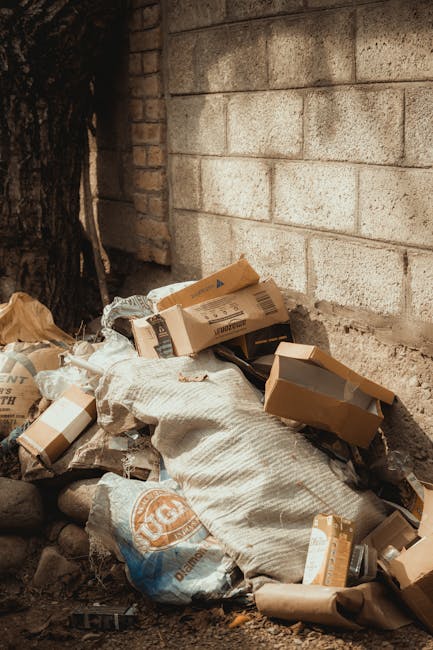
Drummond Street bulky rubbish pickup insider tips

If you are trying to clear a sofa, broken wardrobe, office clutter, or a pile of awkward junk near Drummond Street, you already know the tricky part is rarely the rubbish itself. It is the timing, the access, the lifting, the sorting, and the little local details that can turn a simple job into a faff. These Drummond Street bulky rubbish pickup insider tips are designed to help you plan properly, avoid expensive mistakes, and get the job done with less stress.
Whether you are a resident, a landlord, a business owner, or just dealing with an overfull flat after a move, the smartest approach is usually the same: prepare well, separate the right items, and choose a clearance method that suits your access and volume. Sounds obvious, but in real life that's where people trip up. A good pickup should feel tidy, quick, and predictable. Let's make sure it does.
Why Drummond Street bulky rubbish pickup insider tips Matters
Bulky rubbish sounds straightforward until you are standing in a narrow hallway with a damaged mattress, a heavy cabinet, and no clear route out. In a busy central London setting like Drummond Street, small issues become bigger very quickly. Access can be tight, parking is rarely convenient, and timing matters because the street can be active at almost any hour of the day.
That is why insider tips matter. They help you think like the crew that has to move the item, not just the person who wants it gone. If you know how clearance teams assess loading access, item size, risk, and waste separation, you can prepare the job properly and often save time on the day. And time, frankly, is money.
It also matters because bulky waste is not the same as ordinary bagged rubbish. Large items often need two people, protective handling, and the right vehicle space. A rushed job can lead to scuffed walls, strained backs, broken lifts, or an item being left behind because it was never safe to move in the first place. Nobody wants that awkward moment at the door.
Expert summary: The best bulky rubbish pickups are usually the ones that are planned before anyone arrives. Measure first, separate items early, and be realistic about access. That little bit of prep changes everything.
How Drummond Street bulky rubbish pickup insider tips Works
A bulky rubbish pickup is usually a straightforward collection of large, awkward, or heavy items that are too big for normal bins. Think wardrobes, desks, white goods, bed frames, mixed household clutter, old office furniture, and similar items. The exact process depends on the provider, but the practical flow is broadly the same.
First, the items are identified and assessed. A good team will want to know what needs removing, where it is located, whether it is on a ground floor or upper level, and whether anything needs special handling. Then they decide what vehicle, labour, and loading time are needed. If you can send clear photos in advance, that often makes the quote more accurate. Less guessing. Less back-and-forth.
On the day, the team will normally check access, move items safely, and load them for disposal or recycling. If the job includes mixed waste, they may sort suitable materials for recycling where possible. For example, furniture, metal, and some appliances may go through different handling routes depending on condition and material type. If you are clearing a flat, it helps to have a look at related options such as flat clearance or house clearance if the job is bigger than a single bulky item pickup.
For business premises, the same logic applies but with extra attention to continuity. You do not want hallways blocked or staff disrupted all afternoon. In that situation, office clearance or business waste removal may be a better fit than a one-off "anything goes" collection.
Key Benefits and Practical Advantages
The obvious benefit is that bulky items disappear. Nice. But the real advantage is what happens around that: less strain, less clutter, less time wasted, and fewer disposal headaches.
- Faster clear space: useful if you are preparing for a move, refurbishment, inventory check, or end-of-tenancy handover.
- Less physical risk: heavy or awkward items can be dangerous if you try to wrestle them downstairs alone.
- Cleaner decision-making: once the big items are gone, it becomes easier to see what truly needs keeping.
- Better access to recycling: a careful team may separate suitable materials more effectively than a rushed DIY tip run.
- Reduced disruption: especially important in flats, shared buildings, and commercial spaces.
There is also a practical money angle. If you prepare well and choose the right service type, you are less likely to pay for wasted time, unnecessary labour, or repeat visits. That does not mean choosing the cheapest headline price. It means choosing the option that actually fits the job.
For items like old sofas or mattresses, it can be worth checking dedicated options such as mattress and sofa disposal or furniture disposal if the load is mostly household furniture rather than mixed junk. Small distinction. Big difference, sometimes.
Who This Is For and When It Makes Sense
Drummond Street bulky rubbish pickup insider tips are useful for anyone who needs a quick, sensible clear-out without the drama of hiring a skip and managing the load themselves. That includes:
- flat residents dealing with old furniture or post-move leftovers
- landlords and letting agents between tenancies
- small businesses clearing storage rooms or office furniture
- builders or tradespeople with leftover non-hazardous materials
- homeowners tackling a one-room declutter or seasonal reset
It makes sense when your waste is bulky rather than tiny, and when access is manageable enough for a collection team to work safely. A lot of people think they need a skip, then realise the site layout makes a pickup easier. Others assume a pickup is best, then discover the job is mixed builders waste and requires a more tailored approach. The honest answer is: it depends on the volume, the access, and the item type.
If you are clearing a loft, garage, or garden store, the waste can shift from "a few large bits" to "surprisingly a lot" in a hurry. In those cases, loft clearance, garage clearance, or garden clearance may be the more useful route.
Step-by-Step Guidance
Here is the cleanest way to handle a bulky rubbish pickup without last-minute stress.
- List the items clearly. Write down what is going, including size and condition. "One wardrobe, one mattress, one broken desk" is much better than "a bunch of stuff."
- Measure anything awkward. Door widths, stair turns, lift size, and hallway pinch points matter more than people expect.
- Separate special waste early. Fridges, freezers, and certain electrical items may need separate handling. Mixed loads are fine, but special items should be flagged.
- Take photos in good light. A quick set of images from a few angles helps avoid surprise on the day.
- Clear the route. Move smaller items, coats, plant pots, or anything fragile out of the way before the team arrives.
- Confirm access details. Let the provider know about stairs, parking restrictions, loading bays, entry codes, concierge requirements, or time windows.
- Ask about sorting and recycling. If you care about waste handling, ask where suitable materials will go and what cannot be accepted.
- Book the right service. If the job is mainly bulky furniture, use a furniture-focused service. If it is a wider mixed clear-out, choose a more general waste removal option.
A little discipline here saves a lot of hassle later. That's the whole game.
If confidential paperwork is part of the clutter, do not just toss it into a mixed pile. Use a secure route such as confidential shredding so you are not creating a new problem while solving the old one. Easy to overlook. Very common.
Expert Tips for Better Results
Here are the practical insider tips that usually make the biggest difference on Drummond Street and similar central London streets.
Tip 1: Schedule around access, not just convenience. If early morning gives you cleaner hallways and easier parking, that can be worth more than a slightly friendlier time slot. A quiet street at 8 a.m. can feel very different from one at mid-afternoon.
Tip 2: Put the hardest item near the exit first. If a heavy wardrobe or sofa is buried behind boxes, everything slows down. Rearrange beforehand so the most awkward item is easiest to reach.
Tip 3: Do not underestimate appliance handling. Fridges and washing machines are heavy, awkward, and often need special preparation. If appliances are involved, look at fridge and appliance removal rather than assuming they are just "another item."
Tip 4: Keep wet or dirty items separate. Soggy garden waste, mouldy bits, and food-contaminated items can make the whole load less pleasant and sometimes less recyclable. Put them aside early.
Tip 5: Ask for transparent pricing before the team arrives. A clear quote structure matters. If the provider offers guidance on pricing and quotes, take the time to read it carefully. No one enjoys surprise add-ons.
Tip 6: Consider the whole job, not just the big item. If you are clearing a sofa, a table, a broken chair, and a few bags, it may be more efficient to treat it as a small clearance rather than a one-item pickup. That's where furniture clearance can be surprisingly useful.
Tip 7: Be honest about the access. A short flight of stairs, a tight corner, or a no-parking frontage can change the labour requirement. Honesty now avoids awkwardness later. And yes, it avoids that slightly sheepish look when the crew arrives and says, "Right... this is more than expected."
Common Mistakes to Avoid
People usually make a handful of predictable mistakes. The good news? They are easy to avoid once you know them.
- Leaving everything for the day of pickup: sorting on the doorstep is slow, stressful, and sometimes impossible.
- Forgetting about parking or access: central London routes can be tight, and a badly planned stop can throw the whole schedule.
- Mixing prohibited items into general waste: certain materials need specialist handling.
- Not checking whether an item is recyclable: some loads can be separated better if you flag them early.
- Guessing measurements: "It should fit" is rarely a strong plan.
- Choosing a service by headline price alone: cheap can turn expensive if the job is misquoted.
Another common slip is trying to force every clearance into the same box. A mattress, a sofa, a fridge, and a pile of bagged clutter are not all the same thing. They may all go out the door, sure, but they do not always need the same approach. If your pile includes a lot of old soft furnishings, the dedicated mattress and sofa disposal route can be more efficient.
And one more thing: don't leave sharp edges or loose screws sitting in the open. It sounds small, but people do get caught out. Little cuts, scratched floors, damaged hands. Annoying and avoidable.
Tools, Resources and Recommendations
You do not need fancy equipment, just a sensible setup.
- Measuring tape: useful for doors, hallways, stair turns, and item width.
- Phone camera: take clear photos from the front, side, and any awkward angle.
- Marker or labels: tag what is definitely going and what is staying.
- Gloves and sturdy shoes: if you are moving smaller items before collection day.
- Simple inventory list: especially helpful for mixed waste, furniture, or business clear-outs.
For planning purposes, a few website pages can help you think through the right service type. If you are dealing with a wider property clear-out, home clearance and house clearance are good reference points. If the issue is mainly furniture, furniture clearance is the obvious fit. For commercial spaces, office clearance keeps things more streamlined.
If your job involves mixed waste and disposal planning, the broader waste removal page is useful for understanding how a more general collection may work. For sustainability-minded readers, the company's recycling and sustainability information is worth a look before booking.
Law, Compliance, Standards, or Best Practice
With bulky rubbish, the safest approach is to follow established UK waste-handling best practice: keep waste separated where practical, avoid putting prohibited or hazardous items into a general load, and make sure the operator you use handles waste responsibly. If you are a landlord, business owner, or managing agent, the duty of care side matters even more because you are not just clearing rubbish, you are also responsible for how it is handed over.
That means being careful with items such as paint, chemicals, oily materials, batteries, gas cylinders, or anything that could be classified as hazardous. If those are present, do not assume they can go with normal bulky waste. A dedicated route like hazardous waste disposal is the safer choice.
It is also sensible to choose providers that can talk clearly about insurance, safety, and how they manage lifting and access risks. The pages on insurance and safety and health and safety policy are helpful indicators of how seriously a company treats the practical side of the work. In plain English: if they are careful with the boring stuff, they are usually careful with the important stuff too.
For customers who want extra reassurance, checking the company's terms and conditions and complaints procedure is not overkill. It is just sensible. Nobody reads the small print for fun, let's be honest, but when it comes to waste jobs, it can save confusion later.
Options, Methods, or Comparison Table
There is more than one way to deal with bulky rubbish. The best method depends on what you have, how much there is, and how easy it is to move.
| Method | Best for | Pros | Watch-outs |
|---|---|---|---|
| Bulky rubbish pickup | Large furniture, mixed bulky items, quick clear-outs | Fast, low effort, minimal disruption | Needs accurate access details and clear item list |
| Skip hire | Ongoing DIY, renovation waste, larger site-based jobs | Good for gradual loading | Needs space, permits may apply, loading is your responsibility |
| Full property clearance | Whole rooms, flats, houses, or office spaces | Most comprehensive | Usually more involved than a simple pickup |
| Specialist item removal | Fridges, mattresses, sofas, appliances | Better handling for item type | Not ideal for mixed general clutter |
For many Drummond Street jobs, bulky pickup is the sweet spot. It is quick, simple, and avoids the burden of managing a skip in a busy urban spot. But if you are clearing builders debris after works, take a look at builders waste clearance because rubble and renovation leftovers are a different beast altogether.
Case Study or Real-World Example
A common local scenario goes like this: a two-bedroom flat near Drummond Street needs clearing after a tenancy ends. The tenants have left a broken bed frame, two wardrobes, a worn sofa, a small fridge, and a handful of odds and ends in the hallway. The landlord needs the property ready quickly, but the stairwell is narrow and there is no obvious place to leave waste outside.
The smart move is not to treat that as a random pile. It is a mixed domestic clearance with a couple of specialist items. In practice, the most efficient approach is to photograph everything, measure the fridge and sofa, clear the hallway in advance, and book a service that can handle both bulky furniture and appliances. If the fridge is included, flag it early. If the sofa is the hardest item to remove, say so.
In a case like that, the job usually goes more smoothly when the client has already grouped the items by room and kept the route open. You can almost hear the difference. Less dragging, less clattering, fewer pauses at the stair corner. The crew arrives, assesses, lifts, loads, done. No drama. That is the ideal, and it is very achievable.
If the same property had also needed a full reset after a long occupation, the more complete route might have been a house clearance or, for a smaller space, a flat clearance. Choosing the right service shape makes the whole experience calmer.
Practical Checklist
Use this before your pickup day. A quick run-through now saves headaches later.
- List every bulky item clearly
- Measure large or awkward pieces
- Take photos from several angles
- Separate hazardous or specialist items
- Clear hallways, stairs, and entry routes
- Check parking or loading access
- Confirm lift use or concierge rules if relevant
- Group items by room or category
- Ask about recycling and disposal handling
- Keep paperwork or valuables out of the waste pile
- Review pricing and what is included
- Choose the right service type for the load
If the pile keeps growing while you are sorting it, that is normal. It happens. One box becomes three, then somehow a broken chair appears from nowhere. The checklist still helps, even when the room looks a bit worse before it looks better.
Conclusion
Drummond Street bulky rubbish pickup insider tips are really about one thing: making the process easier before the team even arrives. If you identify the items early, plan access carefully, and choose the right collection type, you avoid most of the stress that people usually associate with bulky waste.
For homes, flats, offices, and mixed clear-outs, the winning formula is simple. Be clear, be organised, and do not leave the awkward stuff to the last minute. Whether you are removing one sofa or clearing a whole space, a thoughtful approach usually means a smoother pickup, safer handling, and better value overall.
Get a free quote today and see how much you can save.
Frequently Asked Questions
What counts as bulky rubbish on Drummond Street?
Bulky rubbish usually means large household or commercial items that are too big for regular bins, such as sofas, wardrobes, mattresses, desks, and large appliances. If it needs two hands, a careful carry, or special loading, it probably counts.
Is bulky rubbish pickup better than skip hire?
It depends on the job. Pickup is often better for bulky items, flats, and tight access. Skip hire can suit DIY or renovation waste where you want to load gradually. If space is limited, pickup is often the easier choice.
How should I prepare items before collection?
Group items together, clear a path, measure anything awkward, and take photos if the provider asks for them. If you can separate furniture, appliances, and mixed junk in advance, the job usually goes faster.
Do I need to be home for the pickup?
Usually yes, or at least someone should be available if access needs to be confirmed. Some jobs can be arranged with clear instructions, but it is safer to be on hand if the route or item list might change.
Can I include fridges or other appliances?
Often yes, but appliances should be flagged in advance because they can need special handling. A dedicated appliance removal service is a safer bet when the load includes a fridge, freezer, or similar item.
What should I do with hazardous items?
Do not mix them into general bulky waste. Things like chemicals, batteries, paint, or other risky materials should be handled separately through a suitable hazardous waste route.
How do I avoid surprise charges?
Give accurate item details, photos, and access information before booking. The more honest and specific you are, the less likely it is that the job changes on the day. Clear pricing information also helps.
Is furniture clearance the same as bulky rubbish pickup?
They overlap, but not always. Furniture clearance is more focused on household furnishings, while bulky rubbish pickup can include mixed large items. If most of your load is furniture, the furniture route is usually more relevant.
What if my building has narrow stairs or poor access?
Tell the provider early. Narrow stairs, awkward turns, and no-parking frontage are exactly the kind of details that affect how many people and how much time the job needs. It is better to mention them upfront than to discover them at the door.
Can bulky rubbish be recycled?
Often, yes, depending on the materials and the condition of the items. Metals, some furniture components, and certain appliances may be suitable for separate recycling. The exact split depends on the load and how the provider handles sorting.
What is the best option for a full flat clear-out?
If you are clearing several rooms rather than just one or two items, a flat clearance or house clearance may be more efficient than a simple pickup. It gives you a broader service that fits the real size of the job.
How far in advance should I book?
As soon as you know the items and the access details. For time-sensitive clear-outs, a quicker booking is better, especially in busy central London areas where timings and access can be tight.
And honestly, once the bulky stuff is gone, the room feels different. Quieter, lighter, easier to think in. That part never gets old.